
Journal›Nervous System & Wellbeing
Nervous System & Wellbeing
Burnout Is Not a Productivity Problem.
It Is a Nervous System Problem.
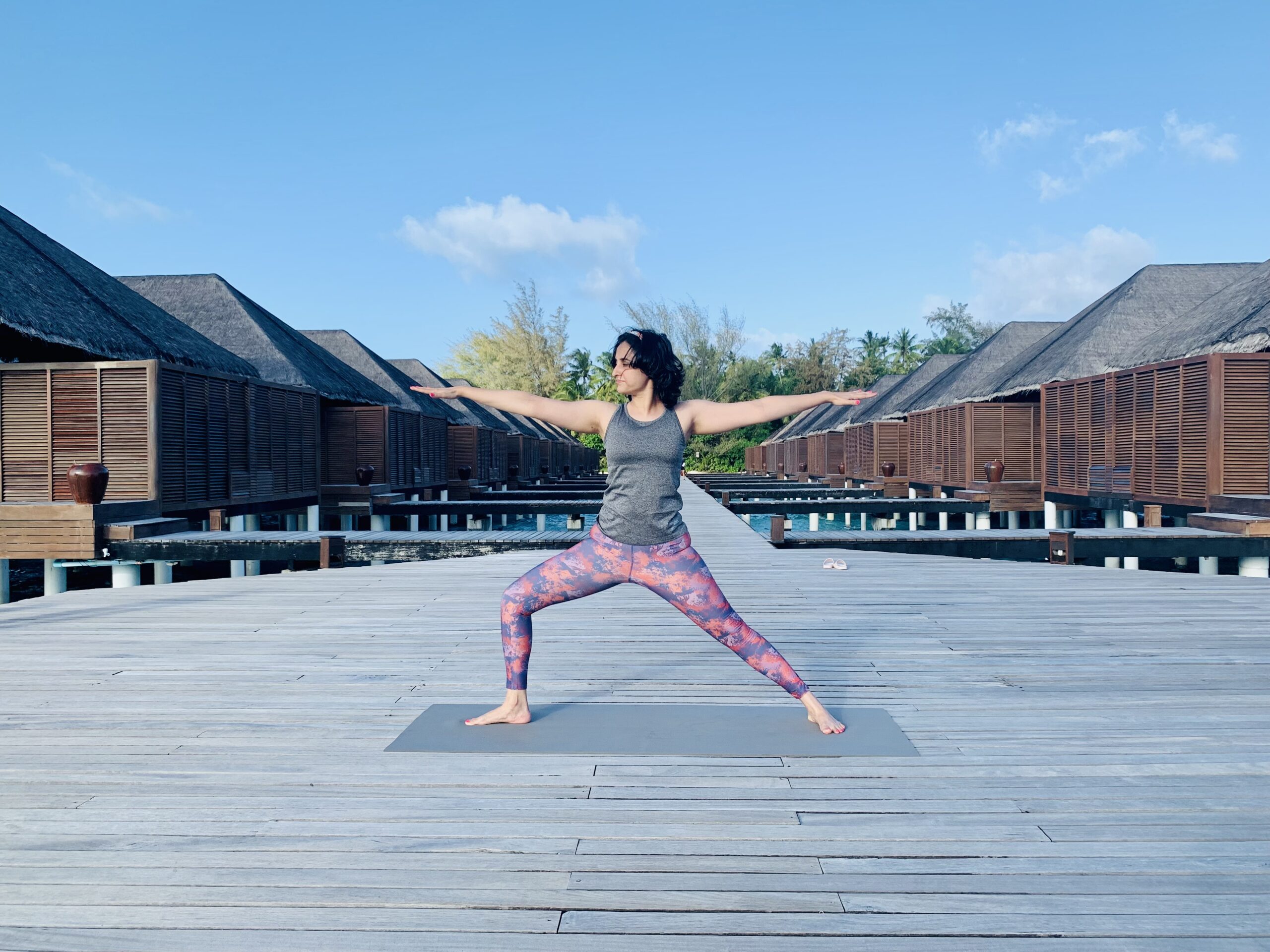
Shruthi BhattFounder, Chittamandara Wellness
6 min readNervous System & Wellbeing
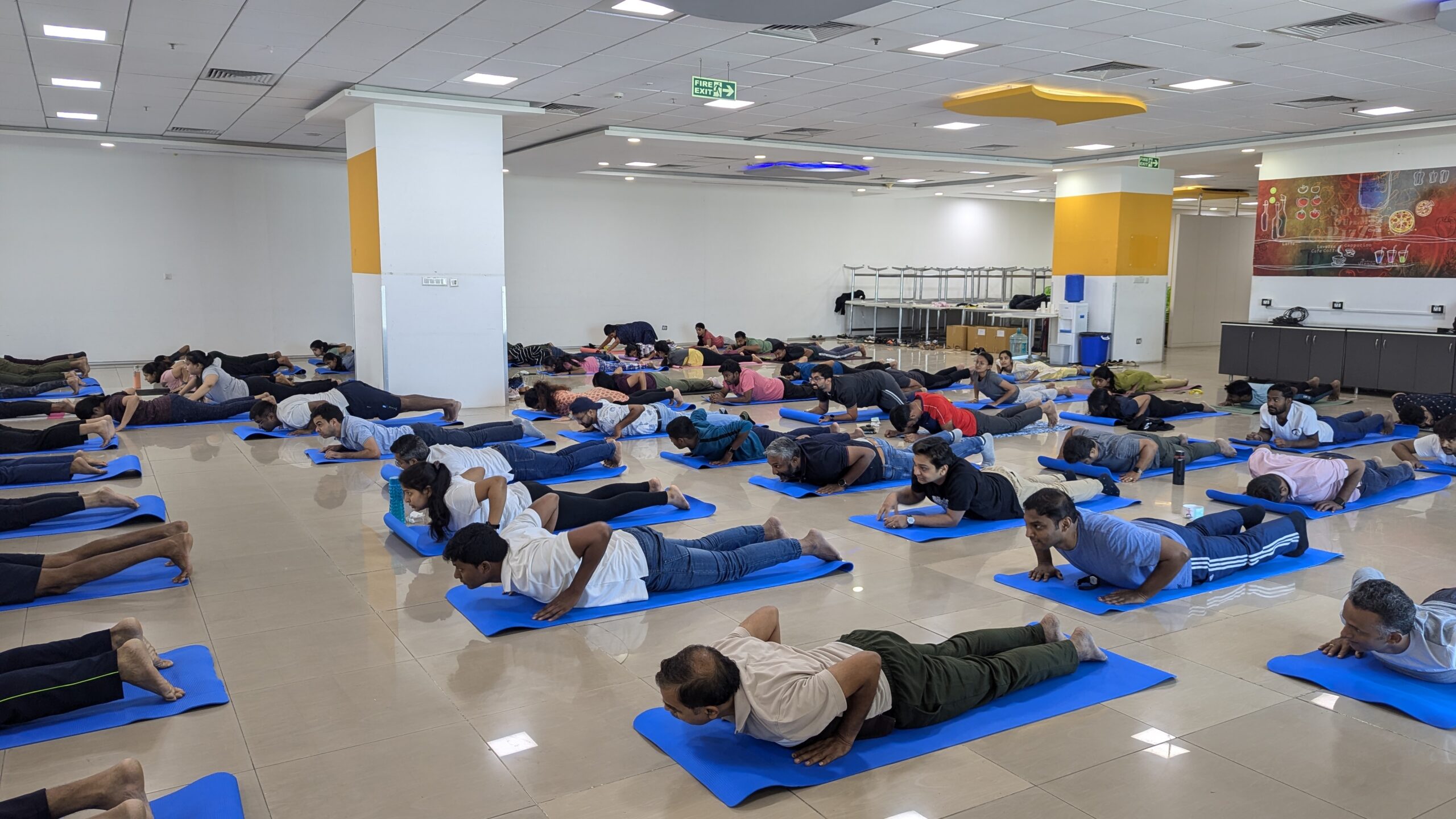
I have worked with hundreds of professionals over the years — in corporate sessions, in one-on-one programmes, in retreats designed for people who arrive exhausted and leave wondering why they waited so long. And across all of these encounters, I have noticed something consistent.
When I ask someone who is burned out what they think the problem is, they almost always say the same thing: I just need to manage my time better. I need to be more disciplined. I need a better system.
They are looking at a nervous system problem and calling it a productivity problem. And that single misdiagnosis is costing them their health, their relationships, and in many cases, the careers they burned themselves out trying to protect.
✦
What Burnout Actually Is
Burnout was formally recognised by the World Health Organisation in 2019 as an occupational phenomenon — defined as a state of chronic stress that leads to physical and emotional exhaustion, cynicism and detachment, and feelings of ineffectiveness and lack of accomplishment.
But the clinical definition, useful as it is, still doesn’t quite capture what it feels like from the inside. People who are burned out often describe it as a kind of hollowness. A flatness. A sense that nothing is interesting anymore, that effort leads nowhere, that the person they used to be — curious, motivated, alive to their work — has simply gone somewhere they cannot find.
This is not a motivational problem. It is not a character flaw. It is a physiological state.
“Burnout is what happens when your nervous system has been running on emergency power for so long that it has forgotten what normal feels like.”
The Nervous System Beneath the Story
Your autonomic nervous system has two primary modes — the sympathetic (fight-or-flight, activation, response to threat) and the parasympathetic (rest-and-digest, recovery, repair). In a healthy, regulated system, these two work in balance. You move into activation when needed, and you return to rest when the demand has passed.
Modern professional life has disrupted this rhythm profoundly. We have built careers, cultures, and identities around sustained activation. We treat urgency as evidence of importance. We treat rest as laziness. We wear our exhaustion as a badge.
And the nervous system, which was never designed for this, does what any system under sustained overload eventually does. It begins to fail.
First comes the depletion — fatigue that sleep doesn’t fix, irritability that feels disproportionate, a growing difficulty concentrating. Then comes the emotional numbing — the cynicism, the detachment, the flat affect that characterises advanced burnout. And finally, if nothing changes, comes the collapse — physical illness, depression, an inability to function that no amount of willpower can overcome.
This is not a failure of discipline. You cannot discipline your way out of a dysregulated nervous system. You cannot productivity-hack your way back to health. What you need is something much simpler — and much harder to access in our current culture. You need recovery.
Why Rest Is Not the Same as Recovery
This is one of the most important distinctions I work with in my corporate wellness programmes. Rest — sitting on the sofa, watching something on your phone, even sleeping — is not always recovery. Recovery requires something specific: the activation of the parasympathetic nervous system.
And this does not happen automatically when we stop working. For a nervous system that has been in chronic activation, stillness can actually feel threatening. The moment work stops, anxiety rushes in. The mind races. The body cannot settle. This is why so many burned-out people describe an inability to relax even when they finally have time to do so.
Real recovery — the kind that actually begins to restore nervous system function — requires deliberate, embodied practice. This is where yoga, breathwork, and mindfulness are not luxuries or lifestyle choices. They are medicine.
What Actually Helps
In my work with individuals and organisations, I have seen three practices make the most consistent difference for nervous system recovery.
Slow, regulated breathing. The breath is the only autonomic function we can consciously control, and it has a direct line to the vagus nerve — the primary pathway of parasympathetic activation. Even five minutes of deliberate, extended exhalation begins to shift the nervous system out of activation. This is not relaxation advice. This is physiology.
Embodied movement. Yoga — particularly slow, breath-linked movement — interrupts the cognitive loops that keep the nervous system activated. It brings attention into the body, which is where recovery actually happens. The mind cannot regulate what it cannot feel.
Consistent, protected rest. Not rest as a reward for productivity. Not rest squeezed into the gaps between obligations. Rest as a non-negotiable, scheduled, protected commitment to your own biological functioning.
“Recovery is not what happens after you have done everything else. It is the foundation that makes everything else possible.”
✦
A Different Question
If you are reading this and recognising yourself — if the hollowness is familiar, if the exhaustion is something you have been managing rather than addressing — I want to offer you a different question than the ones you have probably been asking yourself.
Not: how do I become more productive?
Not: how do I get back to who I was?
But this: what does my nervous system actually need right now?
That question — asked honestly, answered with patience — is where recovery begins. Not in a new system or a better schedule or a more rigorous morning routine. But in the simple, radical act of listening to a body that has been trying to tell you something for a very long time.
Shruthi works with individuals and organisations on nervous system recovery, stress resilience, and sustainable wellbeing through yoga, breathwork, and mindfulness. If this article resonates, she would love to hear from you.
About the AuthorShruthi Bhatt
Shruthi is a yoga teacher, mindfulness guide, and therapeutic wellness practitioner based in Bangalore. With 12+ years of corporate experience across Infosys, IBM, and Intuit, she brings a rare combination of lived professional experience and deep therapeutic training to her work with individuals and organisations navigating burnout and stress.
Your nervous system deserves better.
Whether you are navigating personal burnout or looking to bring wellbeing practices into your organisation, Shruthi would love to have a conversation about what might help. Connect with Shruthi on WhatsApp