
Journal›Mindfulness & Healing
Mindfulness & Healing
What It Really Means to Show Up
For Yourself — Every Single Day
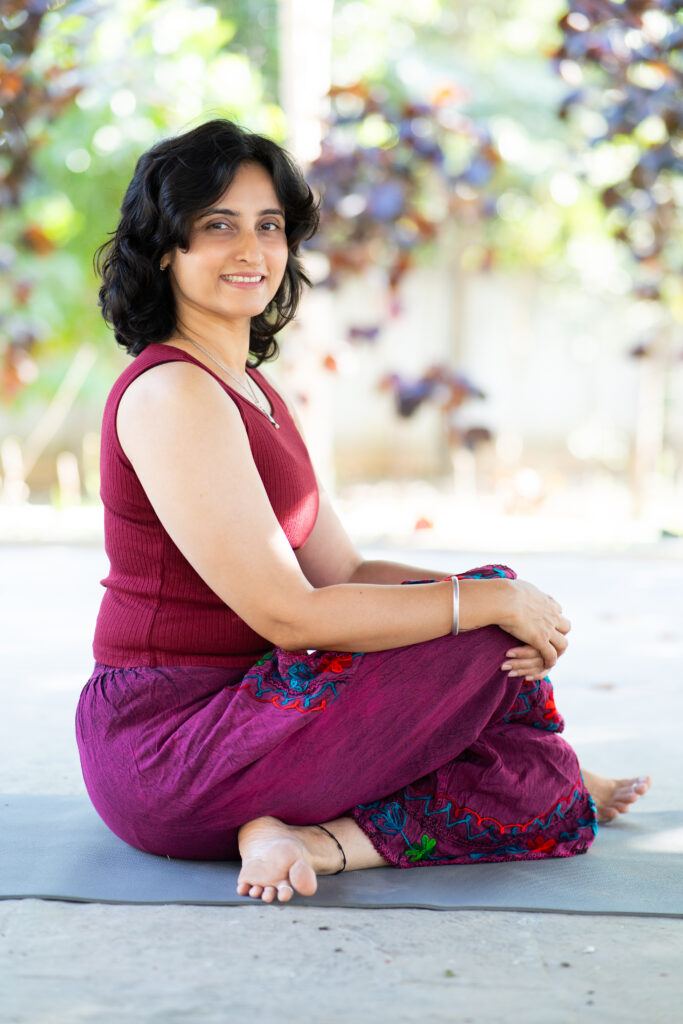
Shruthi BhattFounder, Chittamandara Wellness
5 min readMindfulness & Healing
There is a phrase that has become so common in wellness spaces that it has almost lost its meaning: show up for yourself. It appears on Instagram captions, in journal prompts, in the opening lines of countless self-help articles. And like many phrases that get repeated often enough, it has started to mean everything — and therefore nothing.
I want to try to give it back its meaning.
Because in my experience — both as a practitioner and as someone who has navigated her own complicated relationship with self-care over many years — showing up for yourself is one of the most misunderstood and underestimated practices in the entire territory of human wellbeing.
✦
What It Is Not
Let us start here, because the misconceptions are doing real damage.
Showing up for yourself is not the same as self-indulgence. It is not about bubble baths and scented candles (though there is nothing wrong with either). It is not about rewarding yourself after a hard week, or treating yourself when you feel you have earned it.
It is also not about grand gestures. It is not the month-long digital detox, the transformational retreat, the dramatic life overhaul. These things have their place. But they are not what I am talking about.
And perhaps most importantly — showing up for yourself is not a feeling. You will not always feel like doing it. In fact, the days when you least feel like it are often the days when it matters most.
“Showing up for yourself is a practice of radical ordinariness. It is the small, unremarkable, consistent acts of care that quietly change everything.”
What It Actually Looks Like
In the yoga and mindfulness tradition, there is a concept that I return to often: abhyasa — consistent practice, repeated over a long period of time, with devotion and without attachment to results. Patanjali names it as one of the two pillars of practice, alongside vairagya (non-attachment).
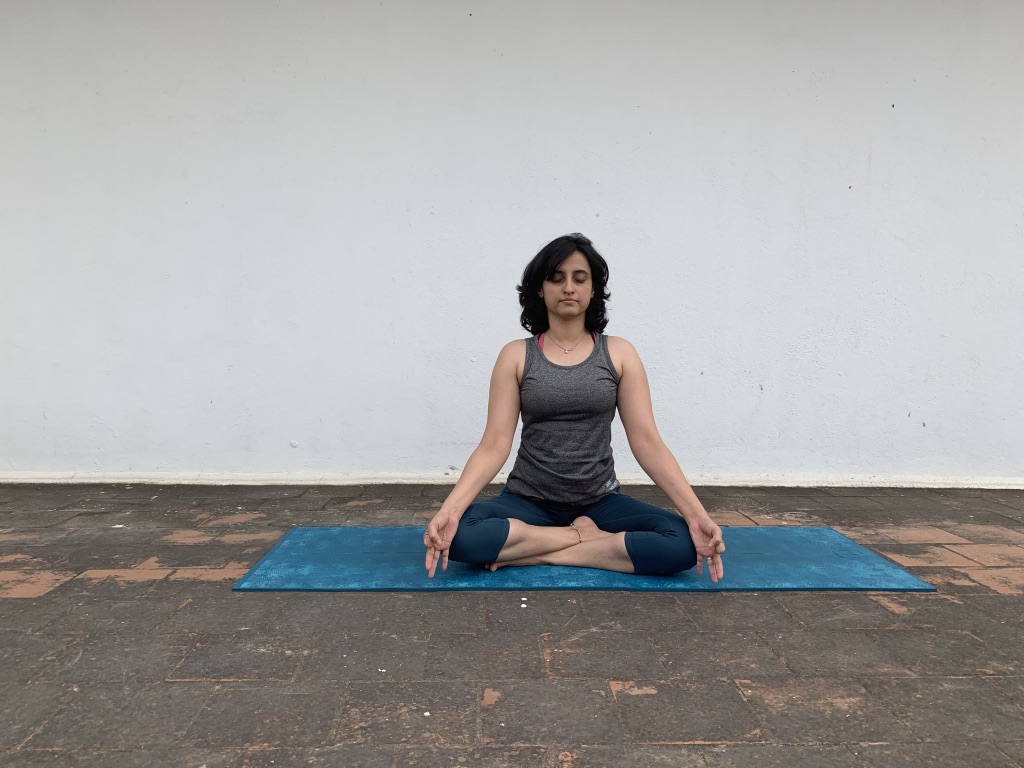
Abhyasa is not glamorous. It does not make for compelling content. It is the same practice, done again, on an ordinary Tuesday, when nothing dramatic is happening and nothing particularly interesting is being discovered. It is the yoga mat rolled out at 6:30am not because you feel inspired, but because you said you would. It is five minutes of breath awareness before bed, even when you are tired. It is choosing, again and again, to return.
This is what showing up for yourself looks like in practice. And it is worth being honest about why this is so difficult.
Why We Abandon Ourselves
Most of the people I work with are not lazy. They are not undisciplined. They are, in many cases, extraordinarily capable and committed — to their work, their families, their responsibilities. The self-abandonment I witness is not the result of not caring. It is the result of caring about everything else first, until there is nothing left.
We live in a culture that systematically devalues the inner life. The invisible work of attending to one’s own emotional and psychological wellbeing has no metric, no deliverable, no performance review. And so it gets deprioritised — pushed to the weekend, the holiday, the someday when things quiet down.
But things do not quiet down. And someday does not come. And the self that was waiting to be attended to grows quieter and quieter, until one day you realise you cannot quite remember what you actually want, what actually brings you alive, who you actually are beneath the roles you perform.
This is the cost of consistent self-abandonment. And it accumulates slowly, invisibly, until it cannot be ignored.
✦
Four Ways to Begin — Today
I am not going to give you a ten-step programme. I am going to offer four small invitations — any one of which, practised consistently, can begin to shift the relationship you have with yourself.
Notice what you actually feel — before deciding what to do about it
Most of us skip straight from stimulus to response, from feeling to action, without pausing in the space between. The practice of noticing — genuinely, curiously, without judgment — is the beginning of all self-knowledge. Try it with something small. Before you reach for your phone, notice what you were feeling that made you reach. Before you say yes to something, notice whether the yes comes from genuine willingness or from fear.
Honour one commitment to yourself this week — and keep it
Not ten commitments. One. Something small enough that it is genuinely achievable, and specific enough that you will know whether you did it. A 10-minute walk. Five minutes of journaling. One session of yoga. The content matters less than the keeping of the commitment — because every time you follow through, you are building evidence for yourself that you can be trusted to show up for you.
Speak to yourself as you would speak to someone you love
This sounds simple. It is not. Pay attention — honestly — to the quality of your inner dialogue. The commentary that runs beneath the surface of your day. Most people discover, when they look carefully, that they would never speak to a friend the way they routinely speak to themselves. Begin there. Not with affirmations or positivity. Just with the same basic decency you would offer to someone you care about.
Return without judgment when you miss a day
You will miss days. This is not failure — it is the nature of being human. The practice is not perfect consistency. It is the quality of the return. Can you come back to yourself without the punishment, the self-criticism, the lengthy inner prosecution? Can you simply begin again, as if the missing day were neither a crisis nor a catastrophe, but simply a day? This capacity for gentle return is itself one of the most healing practices there is.
✦
The Quiet Revolution
I want to close with something that I genuinely believe, drawn from years of practice and from the privilege of walking alongside so many people on this path.
When you begin to show up for yourself — consistently, imperfectly, ordinarily — something changes. Not dramatically. Not all at once. But quietly, over time, you begin to trust yourself more. You begin to know what you need. You begin to make choices that come from a grounded sense of self rather than from anxiety, habit, or the need to please.
Your relationships shift. Not because the other people change, but because you change — the way you enter a room, the way you hold a conversation, the way you respond when something is difficult. You bring more of yourself into everything, because there is more of yourself to bring.
This is the quiet revolution of self-care. Not the version that looks good on Instagram. The version that slowly, steadily, changes a life from the inside out.
At Chittamandara, every programme is built around this idea — that lasting wellbeing grows from the inside, through consistent, compassionate practice. If you are ready to begin, Shruthi would love to welcome you.
About the AuthorShruthi Bhatt
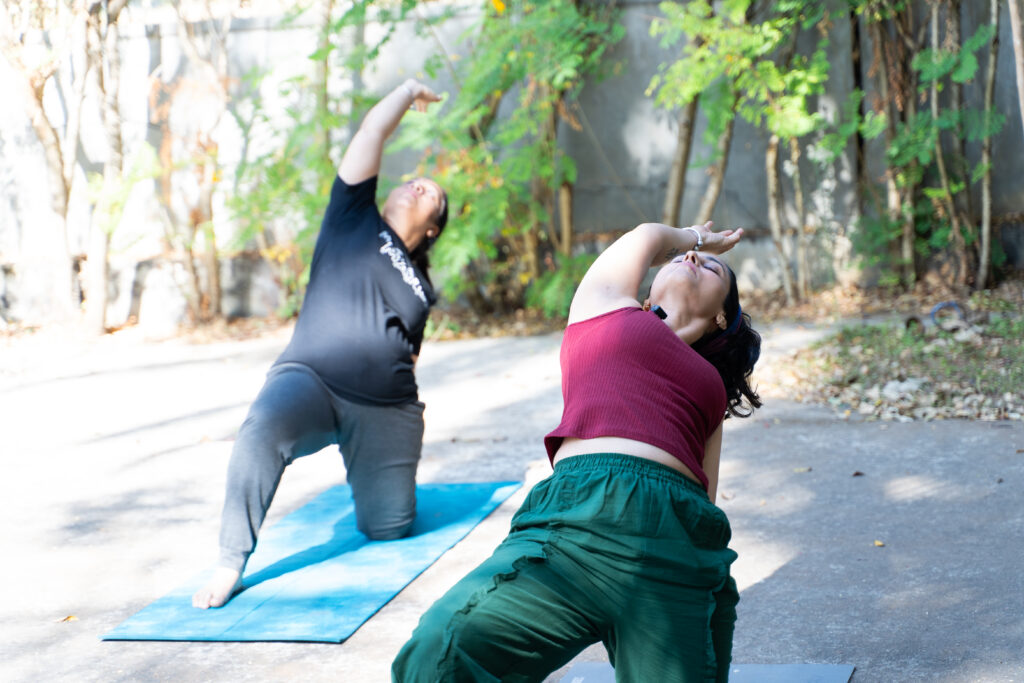
Shruthi is a yoga teacher, mindfulness guide, and therapeutic wellness practitioner based in Bangalore. She founded Chittamandara Wellness to create a space where people can reconnect with themselves — through yoga, breathwork, mindfulness, and therapeutic conversation — and begin to live with greater clarity, compassion, and joy.
Ready to begin showing up for yourself?
Whether you are new to yoga or returning to a practice, Shruthi would love to welcome you into a class, workshop, or one-on-one session — in person in Bangalore or online, wherever you are. Connect with Shruthi on WhatsApp